
In today’s market, buyers are using home inspectors more than ever to evaluate properties before they buy. Home inspections are often one of the biggest negotiation points during a real estate transaction. In a recent survey of 443 real estate agents, Redfin found that inspection issues were the leading reason buyers backed out of a home purchase.
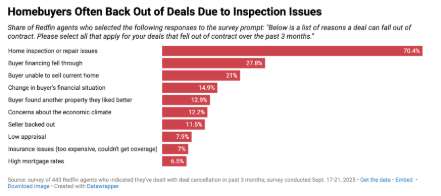
Whether it is a traditional home inspection contingency or a pre-contract “Walk & Talk” review, buyers often rely on home inspectors to identify significant safety, maintenance, or functionality issues before closing. If substantial concerns are discovered, buyers may ask the seller to make repairs, provide a credit, reduce the sales price, or some combination of these options. If a transaction falls through because of inspection findings, sellers may also need to disclose those issues to future buyers.
A pre-sale home inspection gives sellers an opportunity to identify concerns before the home is listed or before negotiations begin. This allows sellers to address issues on their own timeline, obtain repair estimates from contractors they trust, and reduce the likelihood of surprises during the transaction.
Key Advantages of a Pre-Sale Inspection
- Reduce Surprises: Identifying issues early helps avoid unexpected negotiations, delayed settlements, or contract cancellations.
- Fix Issues on Your Own Terms: Sellers can choose whether to repair items, monitor them, or price the home accordingly instead of reacting under tight deadlines.
- Increase Buyer Confidence: A documented inspection can demonstrate that the home has been maintained and that the seller is acting transparently.
- Reduce Stress for Everyone Involved: Addressing concerns before listing often results in smoother negotiations and fewer last-minute disputes.
- Improve Pricing Strategy: Understanding the home’s condition allows sellers and agents to price the property more accurately and realistically.
- Avoid Delays at Closing: Major repair negotiations can delay financing approvals, insurance underwriting, or settlement timelines. Resolving concerns early can help keep the transaction on schedule.
- Support Better Disclosure Practices: A pre-sale inspection helps sellers become aware of material defects that may need to be disclosed, reducing the risk of future disputes.
- Create a Competitive Advantage: In competitive markets, homes with fewer unknowns may stand out to buyers who are concerned about unexpected repair costs.
Issues Sellers May Want to Address Before Listing
- Roof leaks, missing shingles, or aging roofing materials
- Electrical safety concerns such as double-tapped breakers or missing GFCI protection
- Plumbing leaks or signs of moisture intrusion
- HVAC systems that are not operating properly or have deferred maintenance
- Unsafe deck or stair conditions
- Foundation cracks or structural movement
- Poor drainage around the home
- Evidence of wood-destroying insects or rot
- Attic ventilation or insulation deficiencies
- Safety hazards involving smoke alarms, handrails, or trip hazards
Conclusion
A pre-sale home inspection is not about making a home perfect. It is about reducing uncertainty, helping sellers make informed decisions, and creating a smoother transaction process. By identifying issues early, sellers can maintain greater control over negotiations and present their property with confidence.
References
- Redfin News. ‘Homebuyers are Cancelling Deals at a Record Rate. Here’s Why.’ October 7, 2025.
- National Association of Realtors (NAR). ‘2025 Profile of Home Buyers and Sellers.’
- American Society of Home Inspectors (ASHI). Consumer Resources on Pre-Listing Inspections.
- International Association of Certified Home Inspectors (InterNACHI). ‘Benefits of a Pre-Listing Inspection.’